Food Allergy Overview
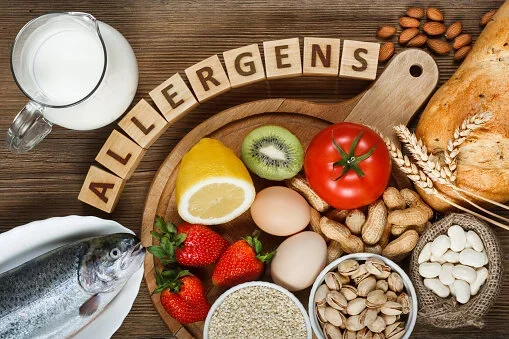
People with food allergies react to certain food proteins that most people tolerate. The exact causes are unknown, but allergies often run in families.There is a 1 in 20 chance for children and 1 in 25 chance for adults that they will be allergic to some kind of food. Eight foods cause about 90% of food allergies. They are:
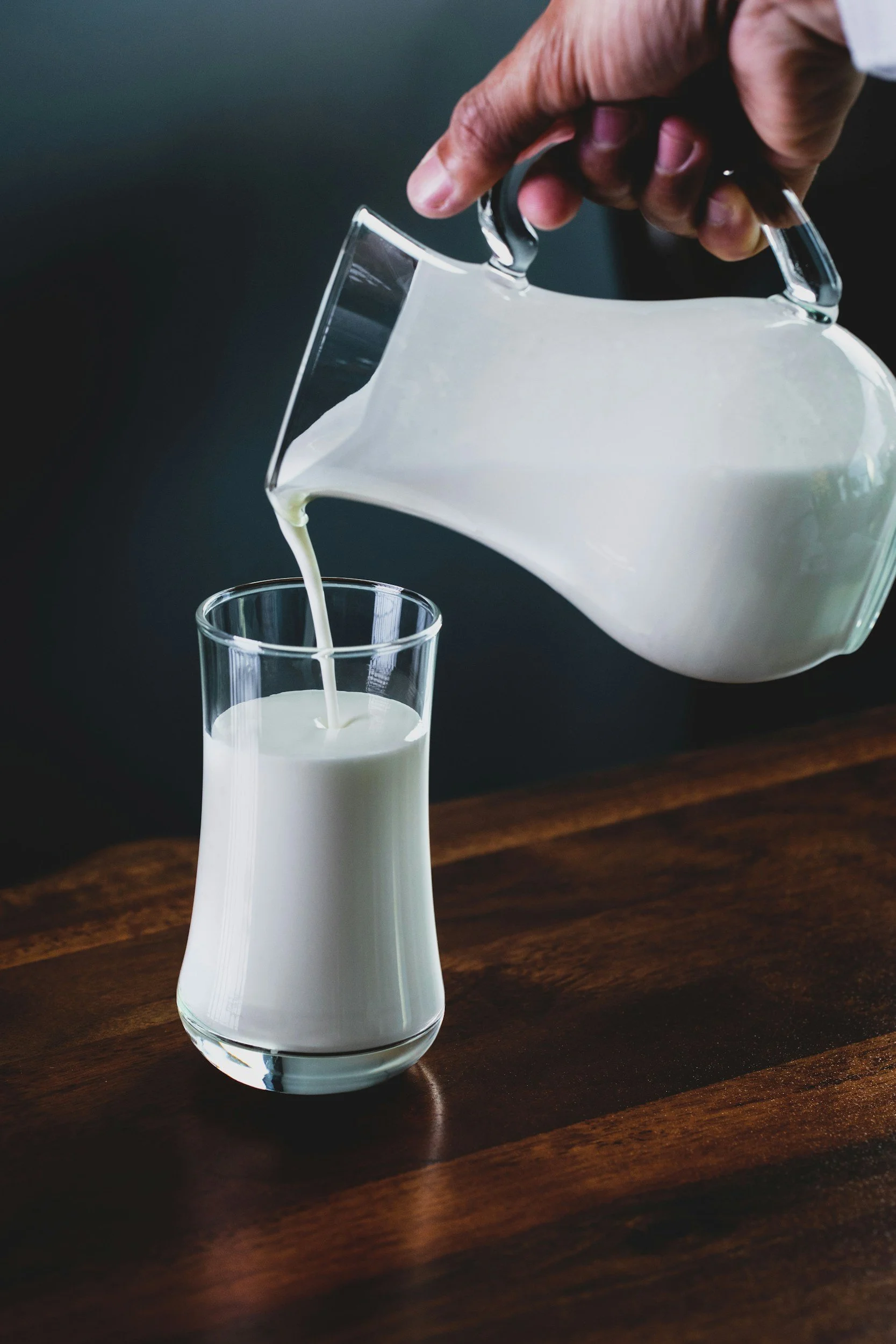
Cow’s milk
Eggs
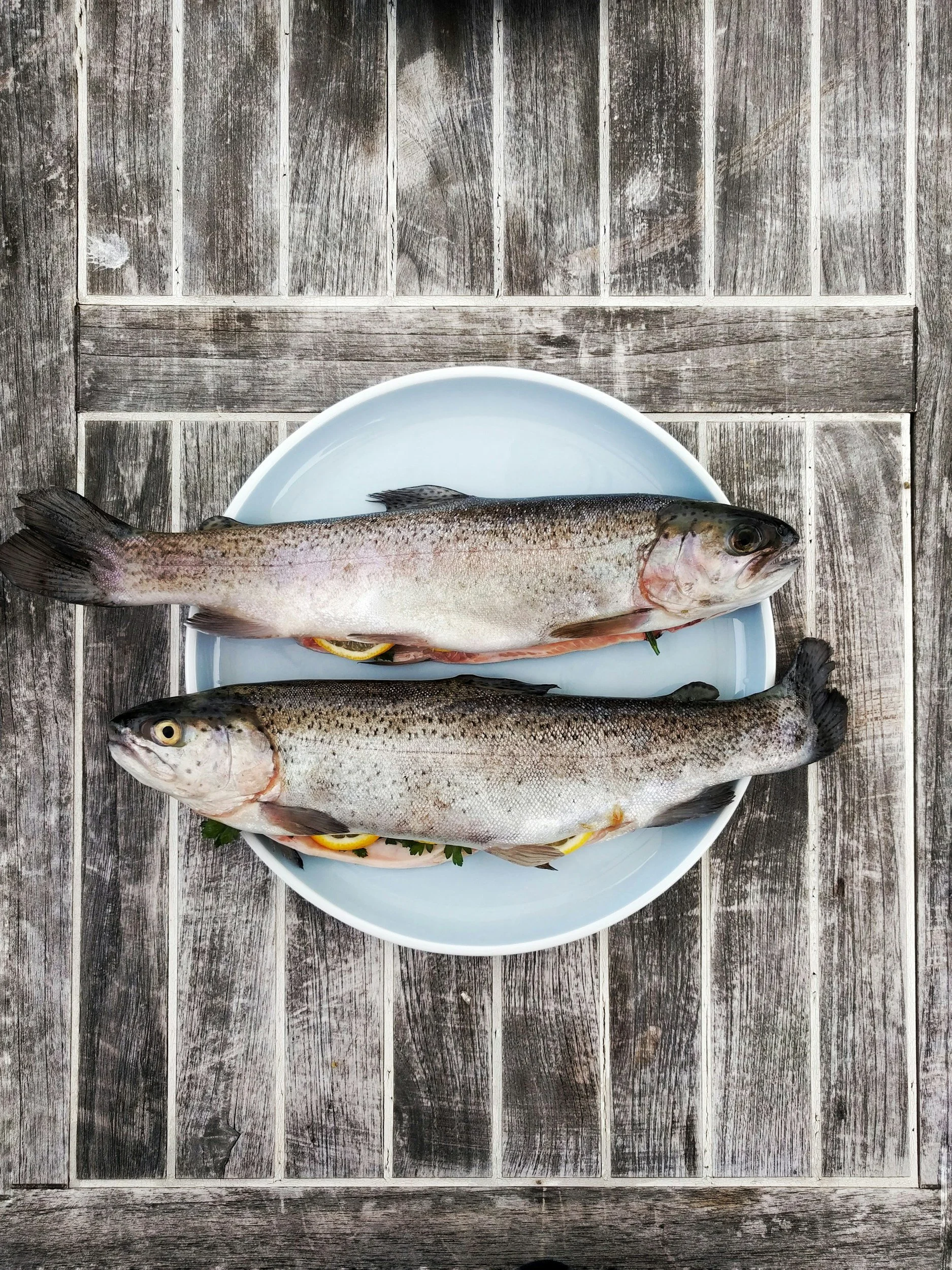
Fish
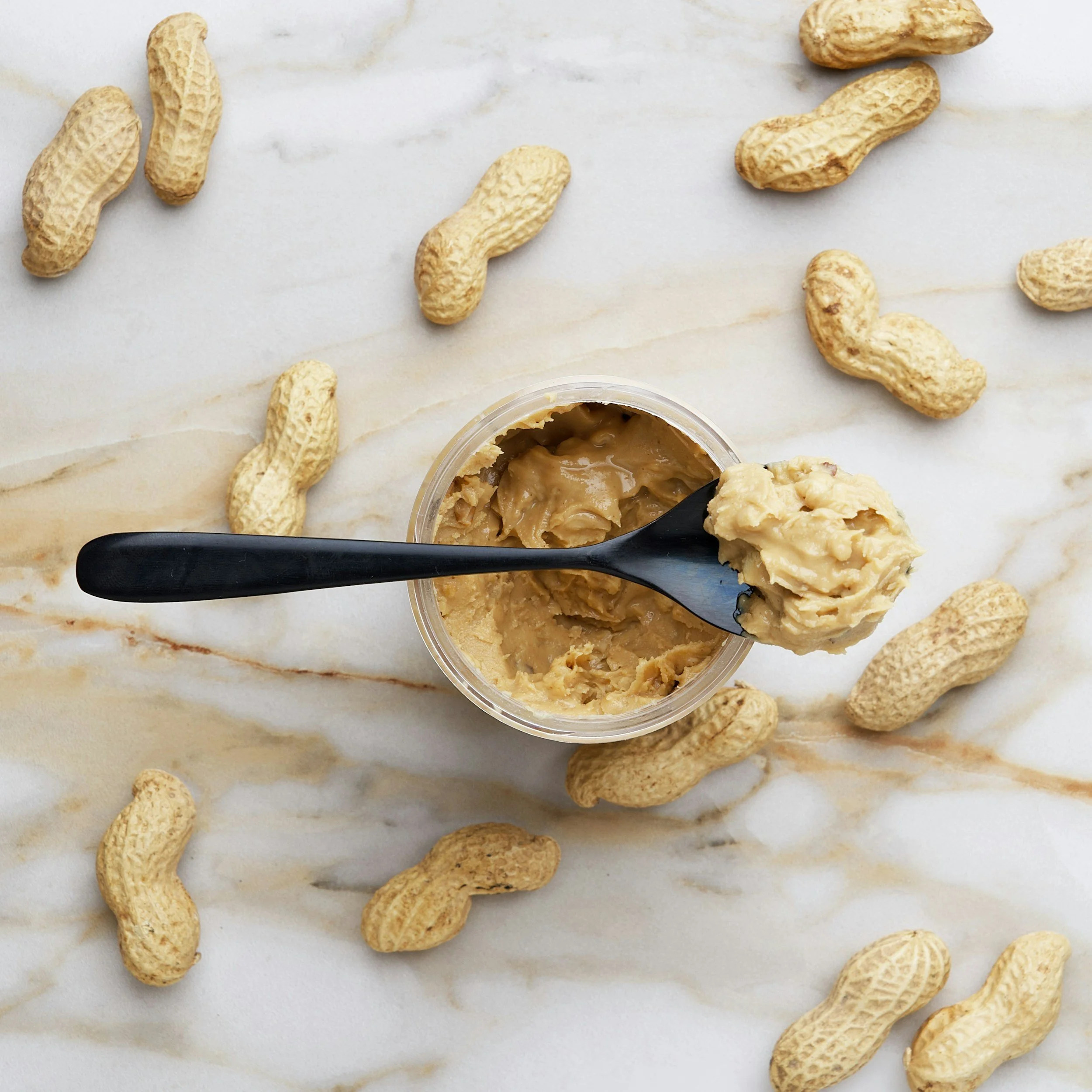
Peanuts
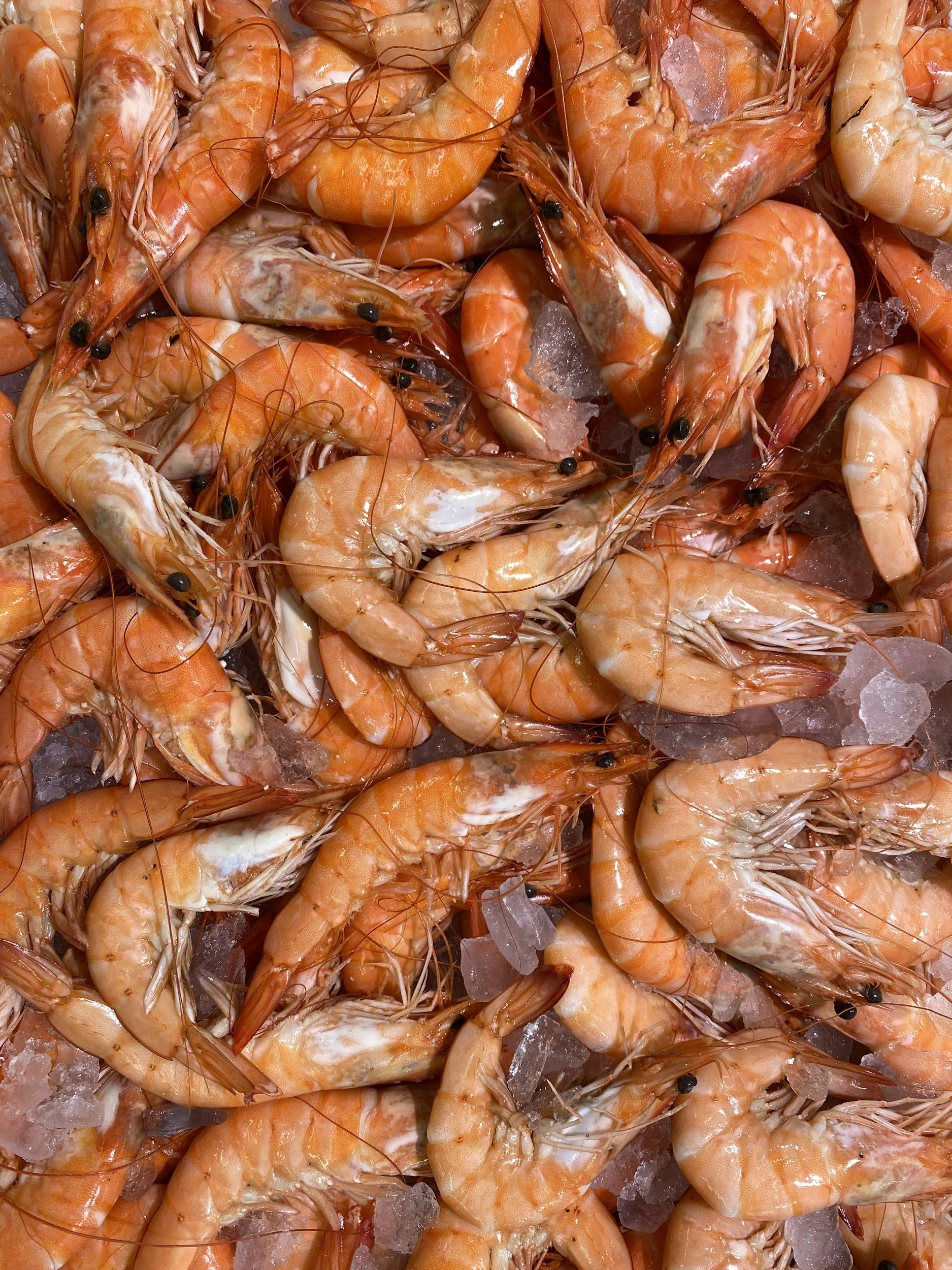
Shellfish
Soy
Tree nuts
Wheat
Natural History of Food Allergy in Children
Most children outgrow food allergies. Key points for parents:
Egg: 50% outgrow by age 10; 80% by 16.
Milk: 80% outgrow by age 5.
Peanut: Fewer than 10% outgrow it.
Wheat: 50% outgrow by age 8; 65% by 12.
Soy: 45% outgrow by age 6; 69% by 10.
Symptoms
Allergic reactions usually start within minutes to up to 4 hours after eating the food.
Mild to moderate: hives, itchy nose, sneezing, itchy or watery eyes, vomiting, stomach cramps, diarrhea, swelling (angioedema).
Severe: hoarseness, throat tightness or a lump in the throat, wheezing, chest tightness or trouble breathing, tingling in hands, feet, lips, or scalp.
Diagnosis
If you suspect a food allergy, schedule a visit. We’ll take your history and exam and, if needed, do skin testing (most accurate). Blood tests can give false positives and are not recommended for screening
Treatment and Management
The only treatment for a confirmed food allergy is avoiding the allergen. Read food labels carefully. If you’ve had a severe reaction, always carry an EpiPen.