Comprehensive Guide to Managing Asthma
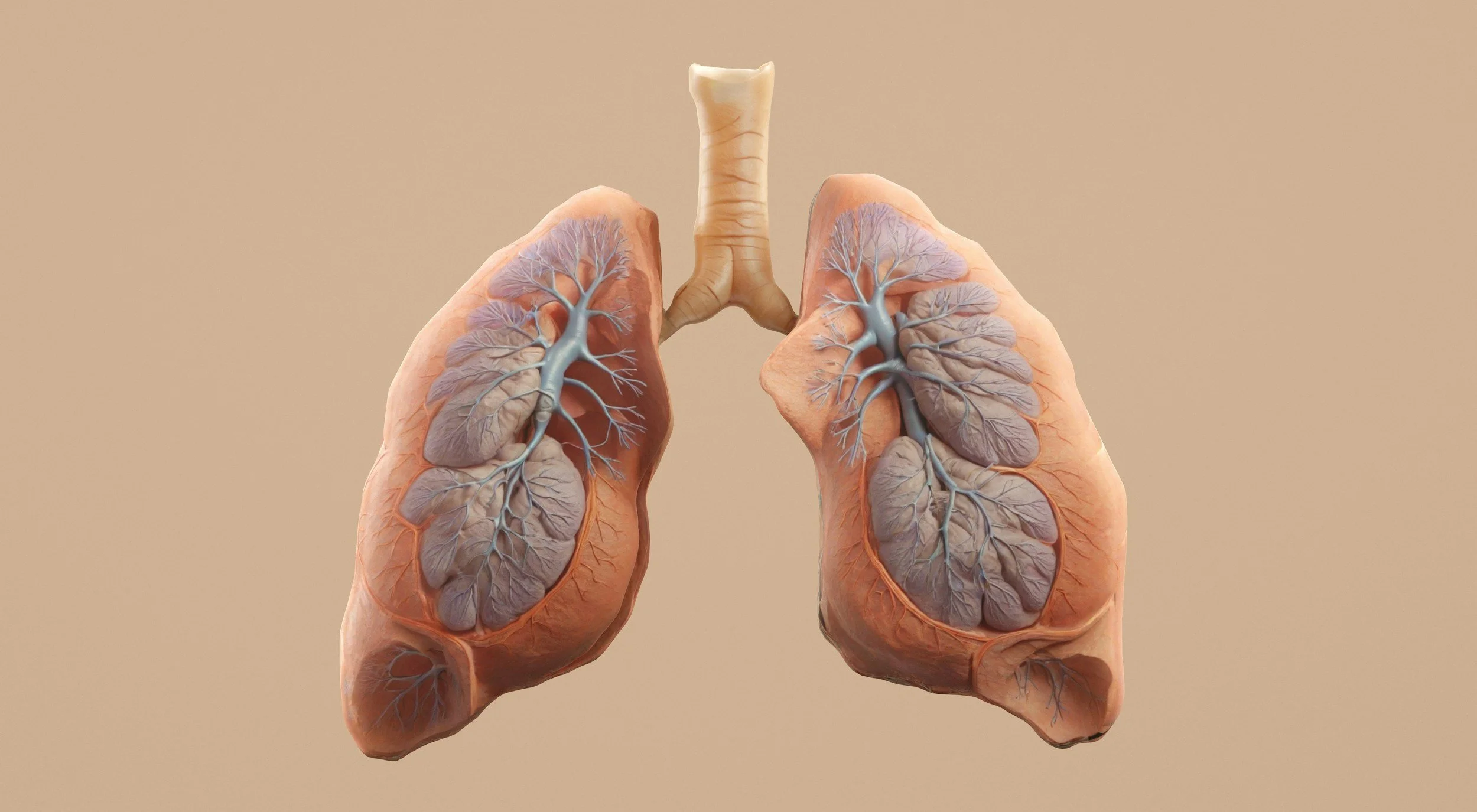
Asthma is a chronic inflammatory disorder of the airways. When exposed to triggers, the lining of the airways becomes swollen, the surrounding muscles tighten, and excess mucus is produced—making it difficult to move air in and out of the lungs.
Why It Happens (Causes & Triggers)
Asthma develops from a combination of genetic predisposition and environmental factors. People with a personal or family history of allergic conditions (like eczema, allergic rhinitis, or food allergies) are significantly more likely to develop asthma.
When your immune system identifies certain harmless substances as threats, it releases chemical mediators (such as histamine and leukotrienes) that cause airway hyper-reactivity.
Treatment Strategy & Medications
Modern asthma management focuses on achieving complete symptom control and preventing future flare-ups using a dual approach: Controller medications and Quick-Relief medications.
1. Long-Term Controller Medications (Daily Maintenance)
Taken daily to reduce chronic inflammation and prevent symptoms before they start:
Inhaled Corticosteroids (ICS): The foundation of asthma maintenance (e.g., fluticasone, budesonide, beclomethasone). They calm underlying airway swelling.
Combination Inhalers (ICS + LABA): Combines an anti-inflammatory steroid with a Long-Acting Beta-Agonist to keep airways open for 12–24 hours (e.g., budesonide/formoterol, fluticasone/salmeterol).
Leukotriene Receptor Antagonists (LTRAs): Oral medications that block inflammatory leukotriene pathways (e.g., montelukast).
2. Quick-Relief / Rescue Medications (Immediate Action)
Used during acute symptom flare-ups or before exercise:
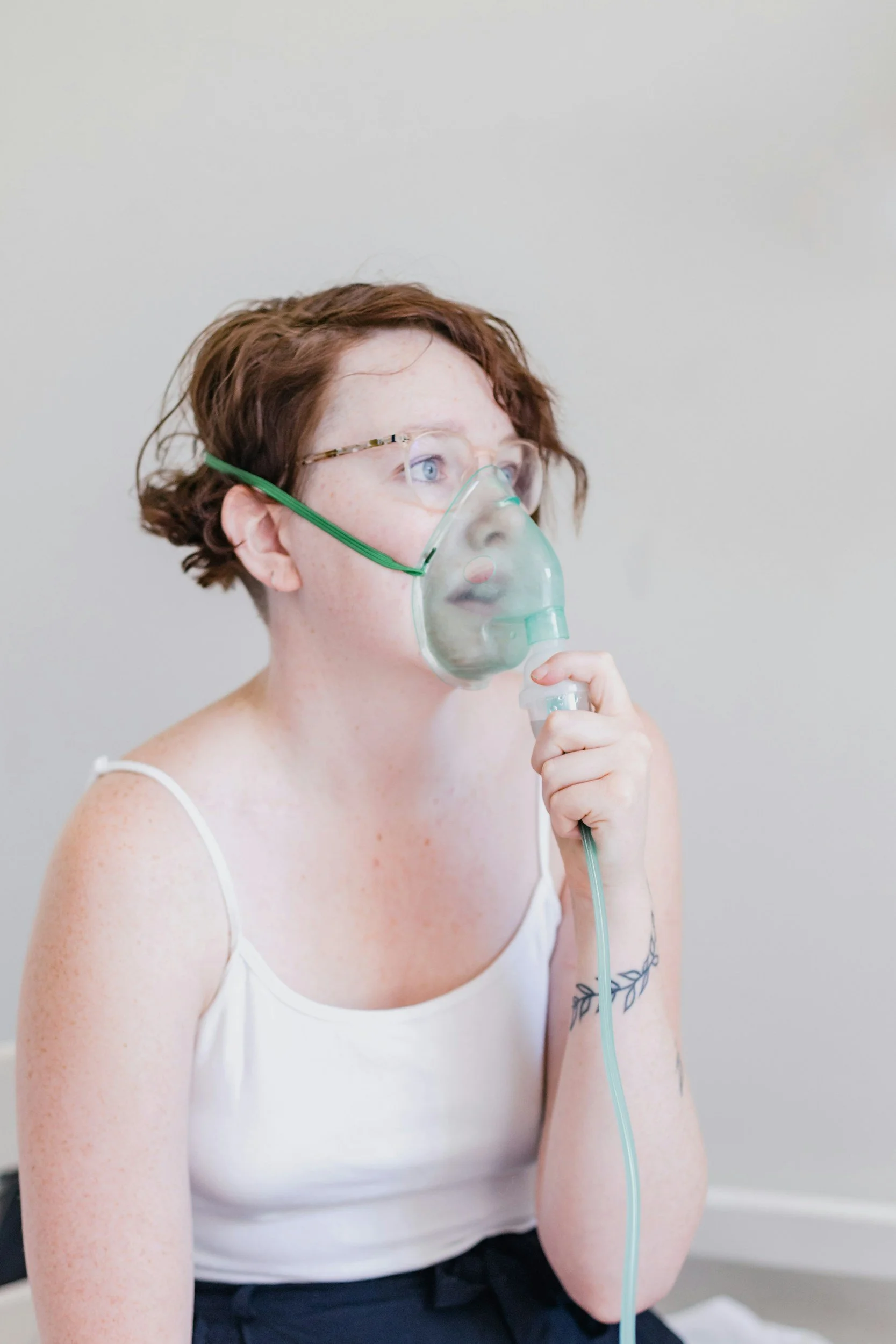
Short-Acting Beta-Agonists (SABA): Relax tight airway muscles within minutes to relieve sudden wheezing and shortness of breath (e.g., albuterol, levalbuterol).
SMART Therapy: Modern guidelines recommend using a low-dose ICS-formoterol combination inhaler as both a daily controller and a quick-relief rescue inhaler.
Common Triggers
Allergens: Dust mites, tree/grass/weed pollens, mold spores, animal dander, and cockroach droppings.
Irritants: Tobacco smoke, air pollution, chemical fumes, strong odors, and cold, dry air.
Infections: Viral upper respiratory tract infections (like the common cold or flu).
Physical Factors: Exercise (exercise-induced bronchoconstriction), emotional stress, or rapid weather changes.
Signs & Symptoms
Asthma symptoms range from mild and intermittent to severe and continuous. They often worsen at night or early in the morning.
Frequent Coughing: Often dry, persistent, and worse at night or after physical activity.
Wheezing: A high-pitched whistling or squeaking sound when exhaling.
Shortness of Breath (Dyspnea): Feeling breathy or unable to catch your breath.
Chest Tightness: A feeling of pressure, weight, or squeezing across the chest.
Diagnostic Testing
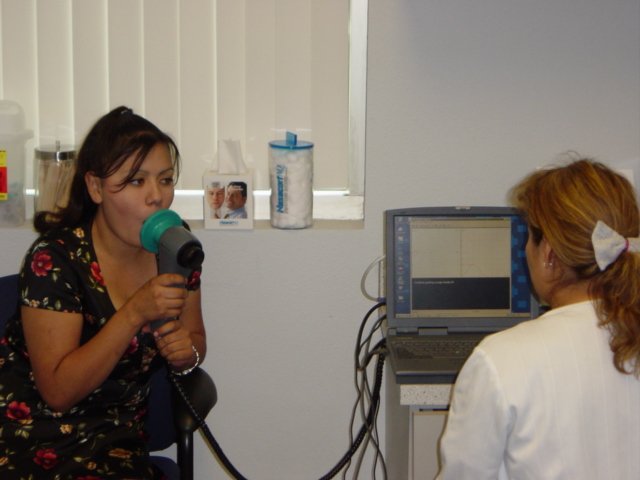
Accurate diagnosis requires both a clinical evaluation and objective measurements of lung function:
Spirometry Air volume inhaled/exhaled and speed of exhalation. Evaluates baseline obstruction and checks if it reverses after taking a bronchodilator.
FeNO Testing (Fractional Exhaled Nitric Oxide) Level of nitric oxide in exhaled breath. Direct biomarker for allergic/eosinophilic airway inflammation.
Allergy Testing (Skin Prick or IgE Blood Tests) Specific IgE antibodies to environmental allergens. Identifies specific allergic triggers driving airway reactivity.
3. Targeted Biologic Therapies (Severe/Refractory Asthma)
For patients with severe asthma driven by specific allergic or eosinophilic pathways, injectable monoclonal antibodies target specific immune proteins (like IgE, IL-4, IL-5, or TSLP) to prevent severe exacerbations.
Take the Next Step Toward Better Breathing Uncontrolled asthma shouldn't hold you back from daily activities or a good night's sleep. Schedule a comprehensive asthma evaluation today to measure your lung function and receive a personalized Asthma Action Plan tailored to your specific triggers and lifestyle.